
Kitchen cabinet painting has become a practical alternative to a full replacement. A run of cabinets that no longer suits the room can be refinished for a fraction of the cost of new units, and the result can be genuinely durable — but only when the preparation is done properly and the coating system is chosen for the substrate rather than for the colour.
Most failed cabinet painting projects are not paint failures. They are preparation failures: a finish coat applied over grease, over an unprimed particle board edge, or over a door that was only wiped down with a wet cloth.
This guide covers cabinet painting and refinishing for Pakistani homes: what the job involves, how to prepare different cabinet substrates, how to calculate the material you need, and what changes the average cost to paint kitchen cabinets.
Cabinet painting or cabinet refinishing?
The two words are used interchangeably, but they describe different amounts of work.
Cabinet painting is a colour change over an existing sound finish. The doors are cleaned, scuffed, primed and given fresh colour coats. Nothing is stripped back to bare timber.
Cabinet refinishing is a fuller rebuild. The old finish is removed, defects are repaired, edges and joints are rebuilt where needed, new hardware may be fitted, and the whole thing is primed and finished from a sound base.
Refinishing costs more because the hours go into getting back to a clean, sound surface. If the cabinet carcass is water-damaged or swollen, painting will not fix it and replacement is the honest answer.
How much does it cost to paint kitchen cabinets?
The average cost to paint kitchen cabinets in Pakistan depends on three things: the size of the job, how much preparation is needed, and whether the painter is only changing colour or rebuilding the finish.
Material. A typical kitchen in Pakistan has two base runs, a wall unit and a tall unit. Counting only the door faces and drawer fronts, that is typically 50 to 70 square feet of paintable surface — the carcasses are usually left in place. At two finish coats over one primer coat, and an enamel coverage of roughly 120 to 150 square feet per litre per coat, that is about 1 to 1.5 litres of finish coat plus 0.5 litres of primer, with a small amount of filler for hardware holes and edge chips.
Labour. Cabinet work is quoted per cabinet, per door or per square foot of cabinet face rather than per room, because the labour is driven by preparation. A commonly used planning band for repainting in place sits noticeably below a full refinish, and a refinish that involves stripping and repairing sits higher. Rates also move with the painter's area and with whether hardware is removed and refitted. Ask for a written quote that states the number of coats, whether preparation is included, and whether the price covers the inside faces of the doors.
What changes the price:
- Preparation depth. A clean, sound existing finish is the cheapest scenario. Stripping old paint, removing grease build-up around the sink or hob area, and repairing swollen edges all add hours.
- Colour change direction. Going from a light colour to a darker one needs fewer coats. Going from a dark colour to white usually needs an additional coat and a stain-blocking primer, otherwise the old colour bleeds through.
- Repair work. Chipped laminate edges, loose hinges and gapping doors are carpentry work, not painting work, and are often quoted separately.
- Hardware. Removing and refitting hinges, handles and soft-close fittings adds time. Replacing them adds cost.
- Coating choice. A hard-washable enamel for the doors and drawer fronts costs more in material than a standard emulsion, and is usually worth it in a kitchen.
Treat any figure you find as a planning illustration rather than a quotation. The honest number comes from a quote for your specific kitchen, and we can confirm current material rates and pack sizes at any time.
Preparing the cabinet surface
Preparation decides the finish. Work through it in this order.
1. Clean and degrease
Remove everything from the doors and drawers. Wash with a degreaser or a solution of washing-up liquid, then dry fully. Cooking oil and hand grease are the two things most likely to cause a finish coat to peel later, and they will not be visible once the new colour goes on.
2. Remove the hardware
Take off handles, hinges and any fitted fittings. Mask or fill the screw holes if the hardware is not going back in the same position. Removing the doors entirely makes both preparation and painting far easier.
3. Fill and repair
Use a suitable filler on chips, dents, gaps around hinges and any damaged laminate edges. Let it dry and sand it flush. Check that doors still close and that drawer fronts still run true before you paint — a painted door that does not close is a door you have to strip again.
4. Abrade
Sand the existing finish enough to give the new coat something to grip. A light scuff with fine sandpaper is enough for a sound glossy finish; a stripped or filled surface needs more. Work along the grain, and dust off thoroughly afterwards with a tack cloth.
5. Choose the primer for the substrate
This is the step that most affects whether the job lasts, because cabinets are built from different materials.
- MDF and particle board — the cut edges of these boards are porous and absorb the first coat unevenly. Use a suitable primer so the edges do not swell and the finish does not sink in.
- Laminate or melamine — a non-porous, plastic-faced surface. It needs an adhesion-promoting primer, or the finish coat will peel away in sheets later.
- Bare or previously stained wood — use a stain-blocking primer if the colour is going to white or a light shade.
- Previously painted wood — a general-purpose primer over a scuffed surface is usually sufficient.
Ask for a primer that is compatible with the finish coat you are using. A primer from one system and a finish from another is the most common avoidable failure in this trade.
6. Finish
Two coats of a good quality finish coat over one primer coat is the usual standard for kitchen doors and drawer fronts. For a surface that gets handled and washed often, use a hard-washable enamel rather than a standard wall emulsion. Follow the current instructions on the product pack for thinning, drying and recoat times, and allow the full drying period before the doors go back on.
Which paint for kitchen cabinets?
For cabinet doors, drawer fronts and frames, a synthetic enamel is the better choice than an interior wall emulsion. Enamel forms a tougher, more washable film and resists the knocks and the repeated cleaning that a kitchen generates.
Interior emulsion is reasonable for cabinet interiors and for carcasses that are never handled or washed, but it is not the right product for a door front.
For the preparation materials, the same principle applies as on walls: fill what is uneven, then prime what is filled.
Triangle Paints makes the products for all three parts of the job from one factory in Rawat, so the filler, primer and enamel are designed to work as one system. The relevant products are:
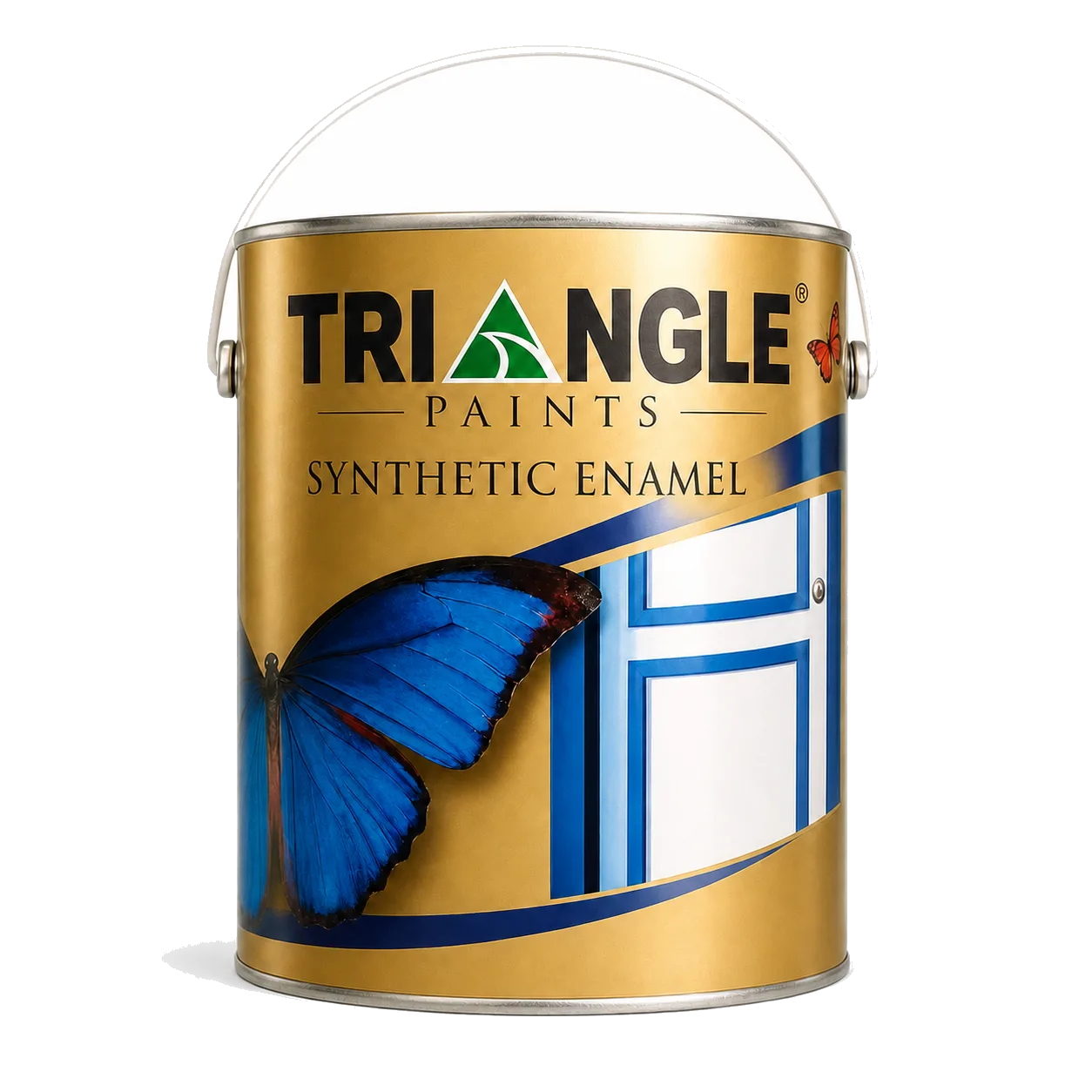
- Supreme High Gloss Finish Synthetic Enamel and Express Economy Synthetic Enamel for cabinet doors, drawer fronts, frames and other wood or metal surfaces — see the Triangle Paints enamel range
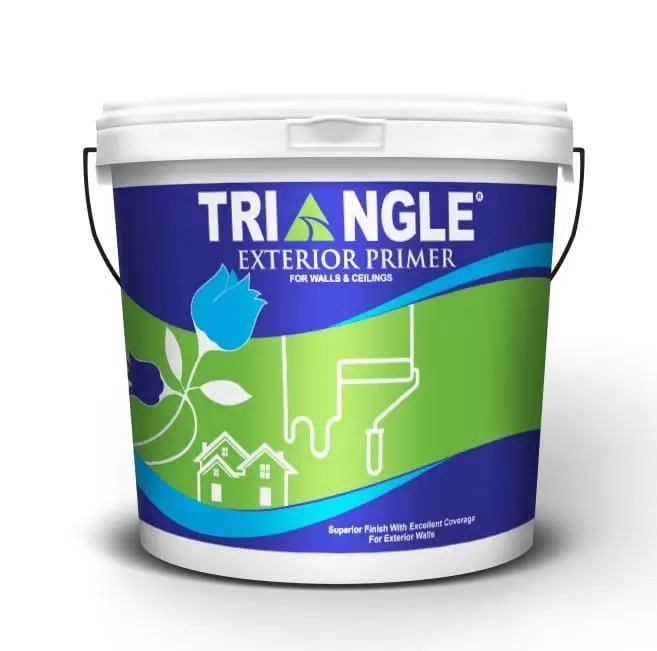
- Interior Primer for suitable prepared wood and for use under a light-coloured finish — see the primers and undercoats range
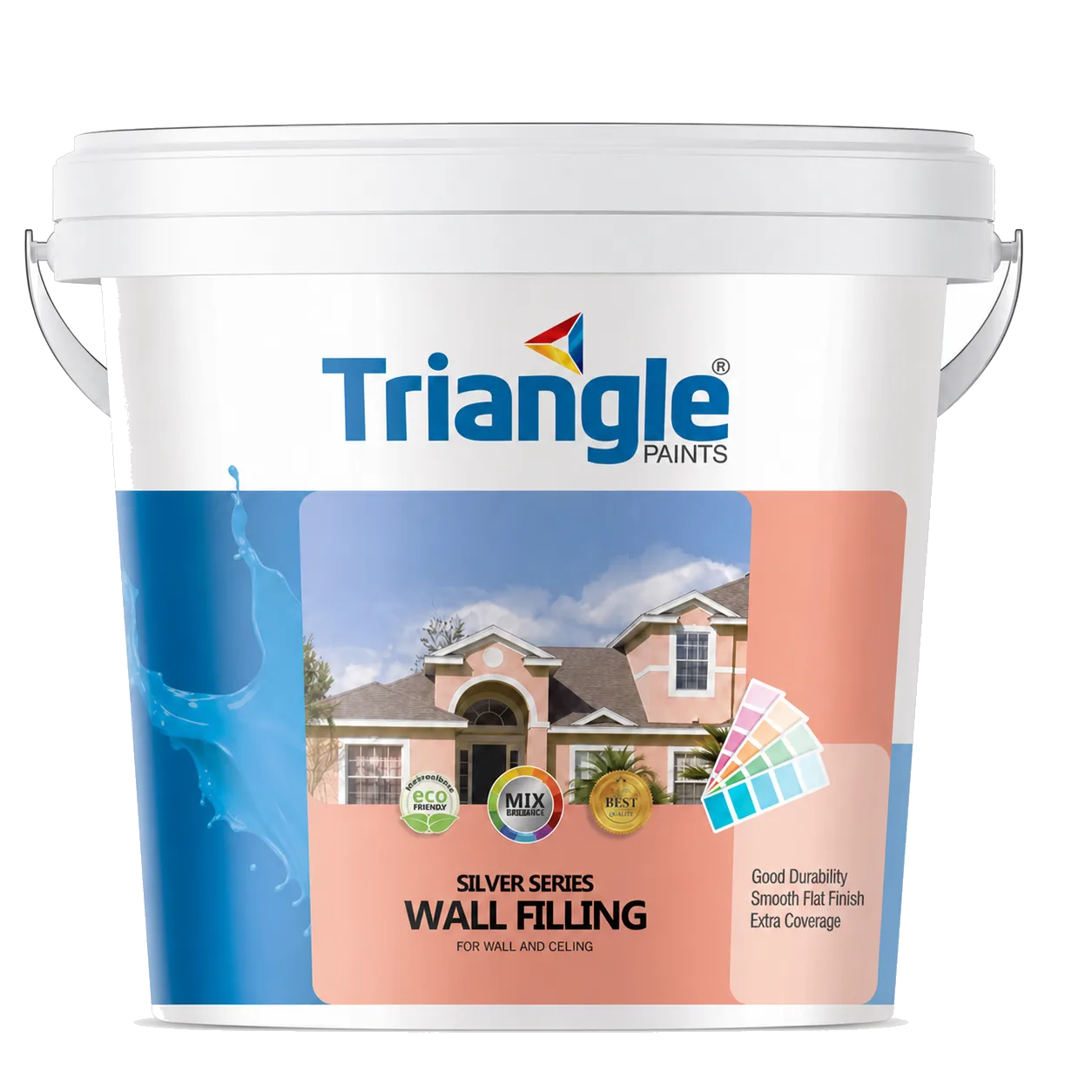
- Wall Filling and Wall Putty for repairs, chipped edges and screw holes — see the wall preparation range
- Interior emulsions such as Super Emulsion or Pro Emulsion if you are finishing cabinet interiors — see the interior paint range
Ask us for the current pack sizes, coverage figures and the recommended system for your specific substrate.
Kitchen cabinet painting services
If you would rather the work was done for you, the brief matters more than the price. When you ask a painter or a cabinet refinishing contractor for a quote, give them:
- The number of doors and drawer fronts, and whether the carcasses are being painted too
- The current finish — painted, laminated, melamine or bare wood — because this sets the preparation
- The colour you want, and the colour you are coming from, since a change to white needs a stain-blocking primer and often an extra coat
- Whether hardware is being removed and refitted, and whether it is being replaced
- Any repair work you already know is needed, such as swollen edges or a door that does not close
- How the finished surfaces will be used — a kitchen that is cleaned daily needs a harder-washable coating than a bedroom wardrobe
Ask for the number of coats and the primer to be named in the quote. A quote that says "paint the cabinets" without naming the system cannot be compared with another quote fairly.
Looking for someone to do the work? Triangle Paints can arrange experienced painters and contractors for cabinet and general painting work in Rawalpindi, Islamabad and nearby areas. See painters and contractors for how the arrangement works, or contact the team to describe the job.
Frequently Asked Questions
What is the average cost to paint kitchen cabinets in Pakistan?
It depends on the size of the kitchen and the preparation involved. For a typical kitchen with 50 to 70 square feet of door and drawer face, material is roughly 1 to 1.5 litres of finish coat plus about 0.5 litres of primer and a small amount of filler, and labour is normally quoted per cabinet, per door or per square foot of cabinet face. Repainting a sound existing finish sits at the lower end; a full refinish with stripping and repair sits higher. Get a written quote for your specific kitchen and ask us to confirm the material rates.
Is cabinet painting cheaper than replacing the cabinets?
Usually yes, and the saving is significant for a decent set of cabinets that are structurally sound. Replacement becomes the better option when the carcasses or edges are water-damaged, when the hardware has failed beyond repair, or when the layout itself no longer works — painting will not fix a swollen particle board edge or a door that will not close.
Can you paint over laminate or melamine kitchen cabinets?
Yes, but laminate and melamine are non-porous and need an adhesion-promoting primer, or the finish will peel away in sheets. Clean and degrease first, fill any damaged edges, scuff the surface and apply a compatible primer before the finish coats.
Do painted kitchen cabinets last as long as new ones?
They can, provided the preparation is right. The finish fails from the substrate upwards, and the usual causes are grease left under the paint, an incompatible or missing primer, and a dark-to-light change without a stain-blocking primer. Done properly, painted cabinets are a durable result — but they are a coating on existing joinery, not new joinery, and they benefit from the same care.
Can I paint the inside of the cabinets as well?
Yes. Cabinet interiors take more wear than most people expect — stored cloths, cleaning products and hardware all mark the surface. An enamel is a sensible choice here too, and it protects the carcass as well as improving how the cabinet looks when opened.
Which Triangle Paints product should I use for kitchen cabinets?
For the doors and drawer fronts, Supreme High Gloss Finish Synthetic Enamel, with Express Economy Synthetic Enamel as the economy option. Under it, use Interior Primer on suitable prepared wood, and Wall Filling or Wall Putty for repairs and screw holes. Ask us for the pack sizes and coverage figures for your specific job.
Do you offer kitchen cabinet painting services, or only the paint?
We supply the complete coating system — filler, primer and enamel — and can arrange experienced painters and contractors for the application work in Rawalpindi, Islamabad and nearby areas on request. Tell us the number of doors, the current finish and the colour you want, and we will confirm what can be arranged and the material rates for the job.
Relevant products
Enamels and primers for cabinet doors and drawer fronts
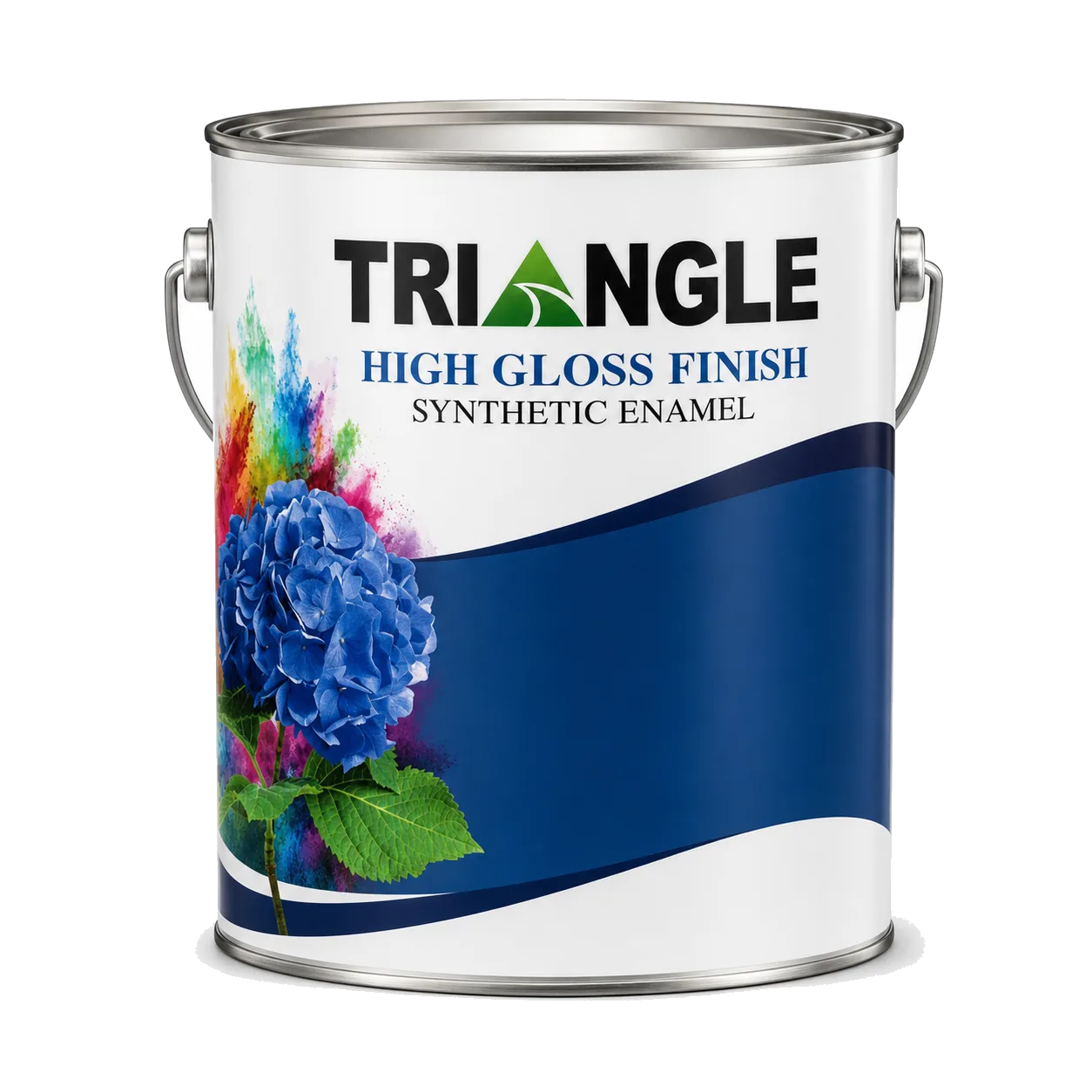
Supreme High Gloss Finish Synthetic Enamel
A superior high-gloss finish for suitably prepared wood and metal surfaces.
Gallon — 3.64 L · Quarter — 0.91 L · Dabbi — 250 ml / 10 oz packView product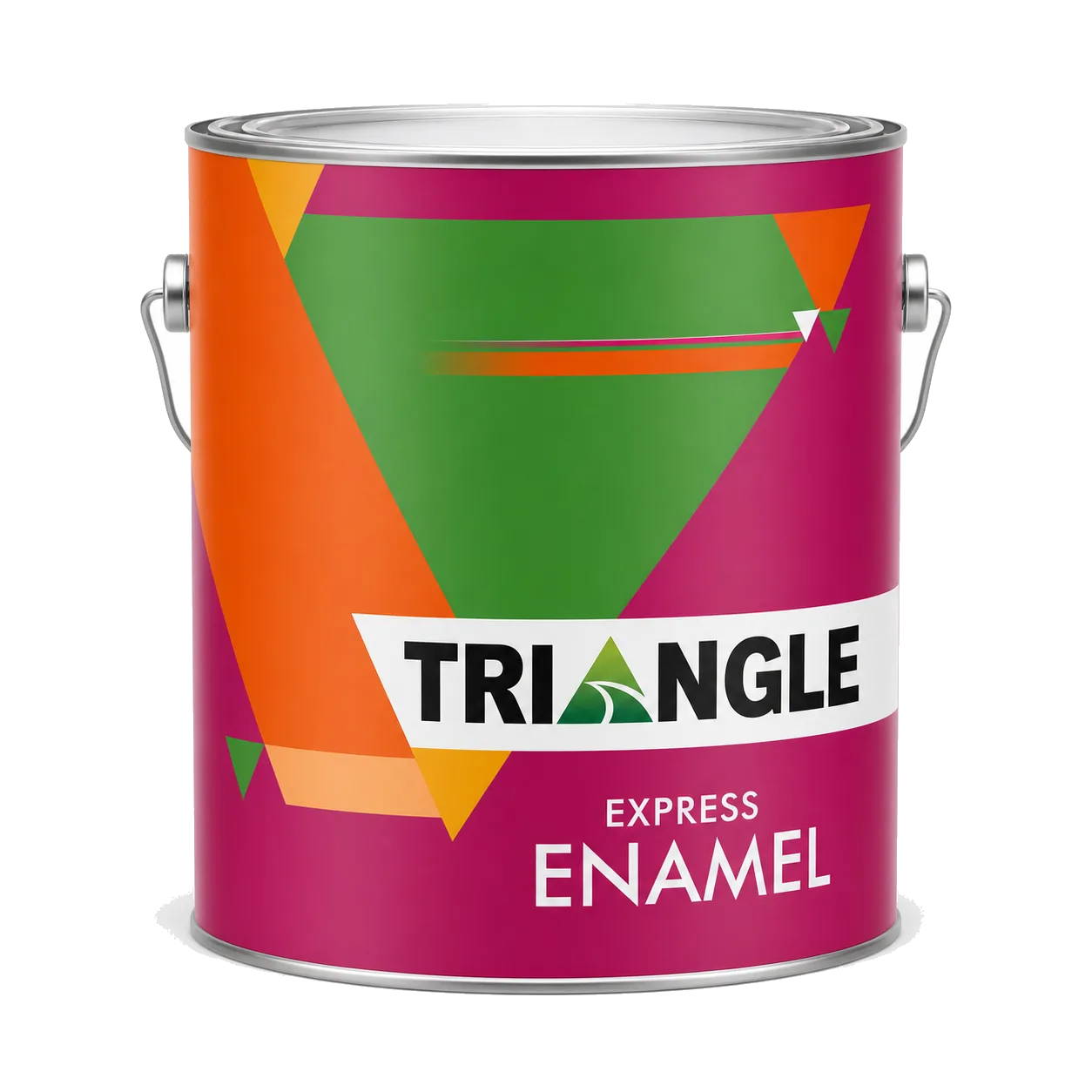
Express Economy Synthetic Enamel
A quick-drying economy gloss finish for suitably prepared wood and metal.
Gallon — 3.64 L · Quarter — 0.91 L · Dabbi — 250 ml / 10 oz packView product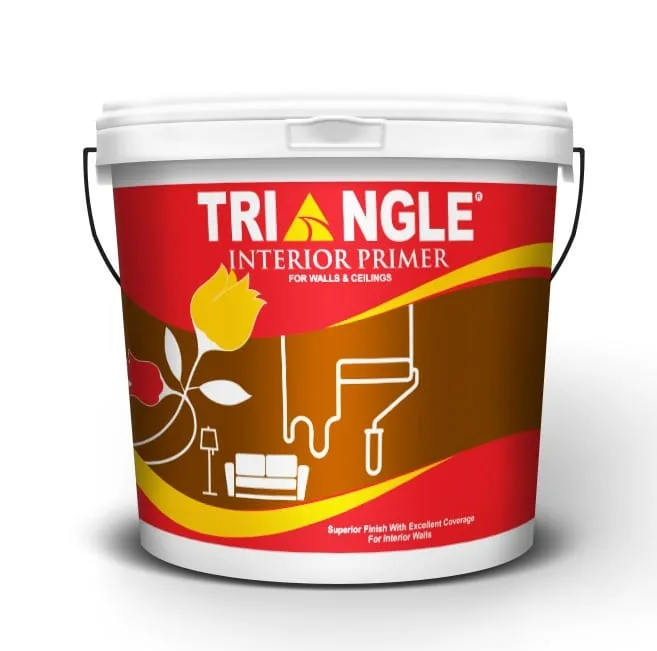
Interior Primer
A base coat for preparing interior walls before emulsion.
Ask about current pack sizesView product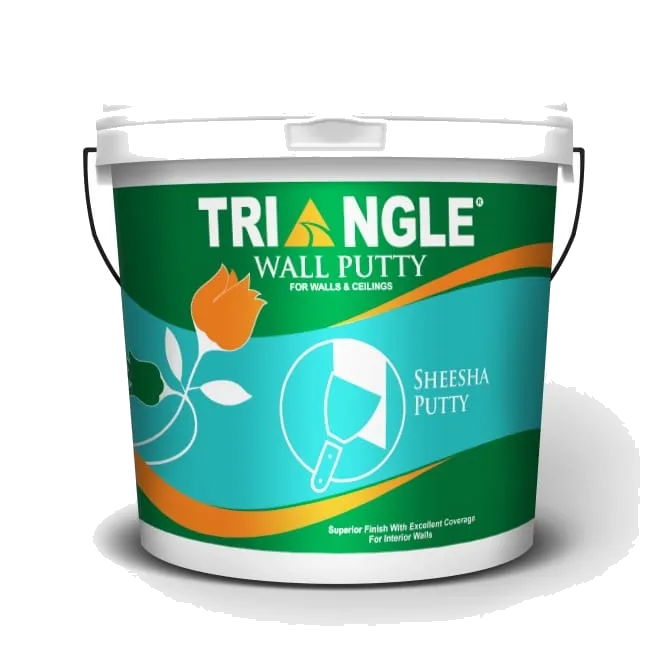
Wall Putty
Helps produce a smoother wall base before primer and topcoat.
Bucket — 20 kg · Gallon — 5 kg · Quarter — 1.5 kgView productFind the right finish
Explore paints by project
Browse each range to compare products for your walls, surfaces and finish.
 02 products
 03 products
 04 products